A New Era of Transparency in the Food Supply Chain with Trackfarm
The Unseen Revolution: Smart Farming Meets Consumer Trust
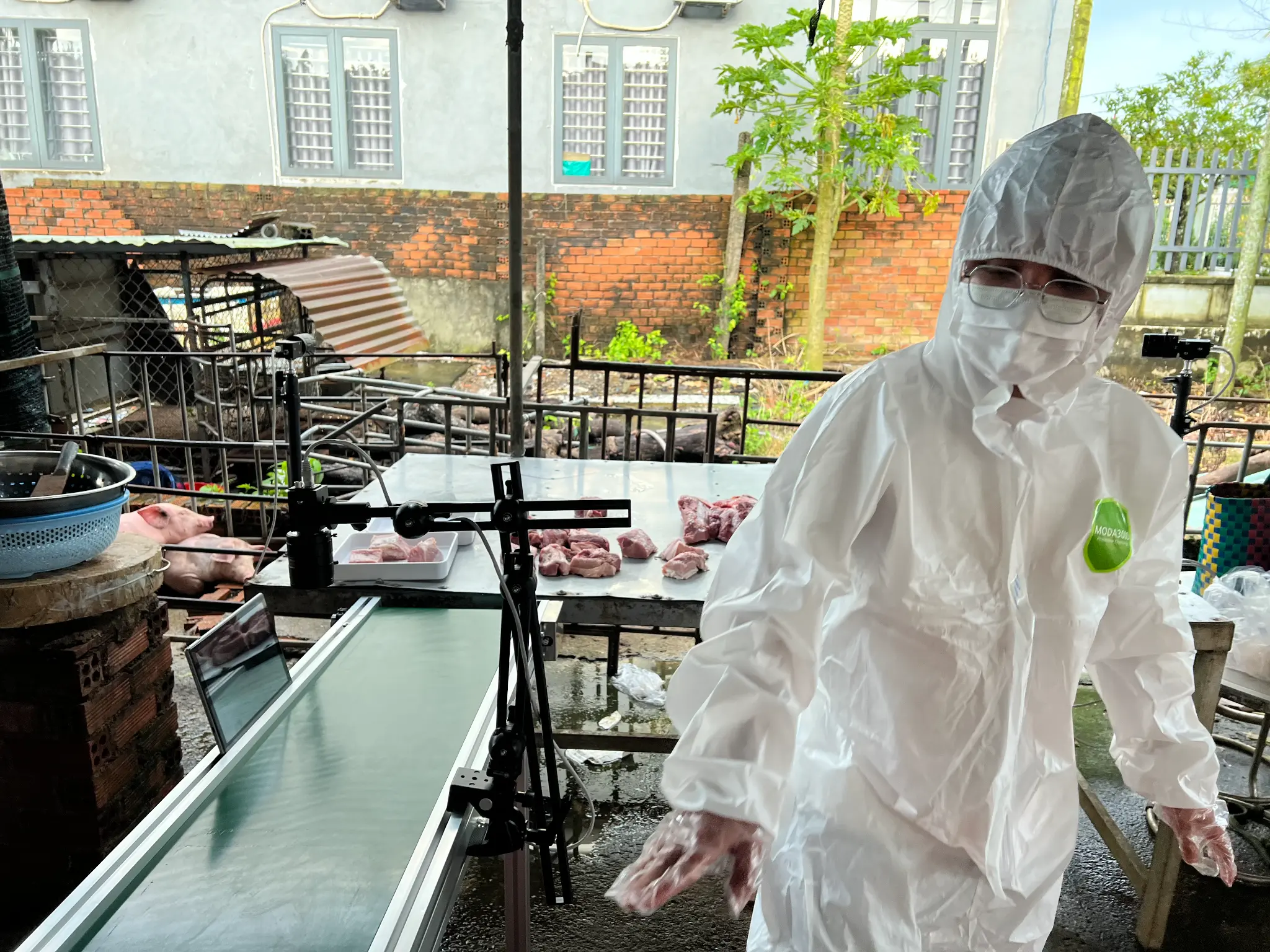
For decades, the journey of food from farm to fork has been shrouded in a necessary but often opaque complexity. Consumers, increasingly conscious of what they eat, demand more than just quality; they demand transparency. They want to know the origin, the welfare standards, and the environmental impact of their food. In the world of livestock, particularly pig farming, this demand presents a unique challenge—and a monumental opportunity. Enter Trackfarm, a revolutionary smart farming solution that is not just optimizing pig production but fundamentally reshaping the relationship between producer, processor, and consumer.
Trackfarm is more than just a collection of sensors and software; it is a comprehensive, AI-driven ecosystem designed to bring unprecedented visibility to every stage of a pig’s life. By leveraging cutting-edge IoT (Internet of Things) devices, advanced data analytics, and blockchain-inspired traceability, Trackfarm is building a new foundation of trust in the food supply chain.
From Pen to Plate: A Digital Twin of the Farm
The core innovation of Trackfarm lies in its ability to create a “digital twin” of the entire farm operation. Every pig, every pen, and every environmental factor is continuously monitored and recorded. This constant stream of data is the lifeblood of the system, providing real-time insights that were previously impossible to obtain.
Key Data Points Monitored by Trackfarm:
- Animal Health and Welfare: Continuous monitoring of individual pig activity, feeding patterns, and body temperature to detect early signs of illness. This proactive approach drastically reduces the need for broad-spectrum antibiotics, a major concern for modern consumers.
- Environmental Conditions: Precise control and logging of temperature, humidity, ventilation, and air quality within the barns. Optimal conditions lead to healthier animals and lower energy consumption.
- Feed Management: Automated, precision feeding systems that track consumption down to the gram, ensuring optimal nutrition and minimizing waste. The system can automatically adjust feed composition based on the pig’s growth stage and health status.
- Growth and Performance: AI algorithms analyze growth rates and predict optimal market timing, maximizing efficiency and ensuring consistent product quality.
This level of granular data collection transforms farming from a reactive process into a predictive science. Farmers can intervene precisely when and where needed, leading to higher yields, lower costs, and, most importantly, significantly improved animal welfare.
The Transparency Engine: Blockchain-Enabled Traceability
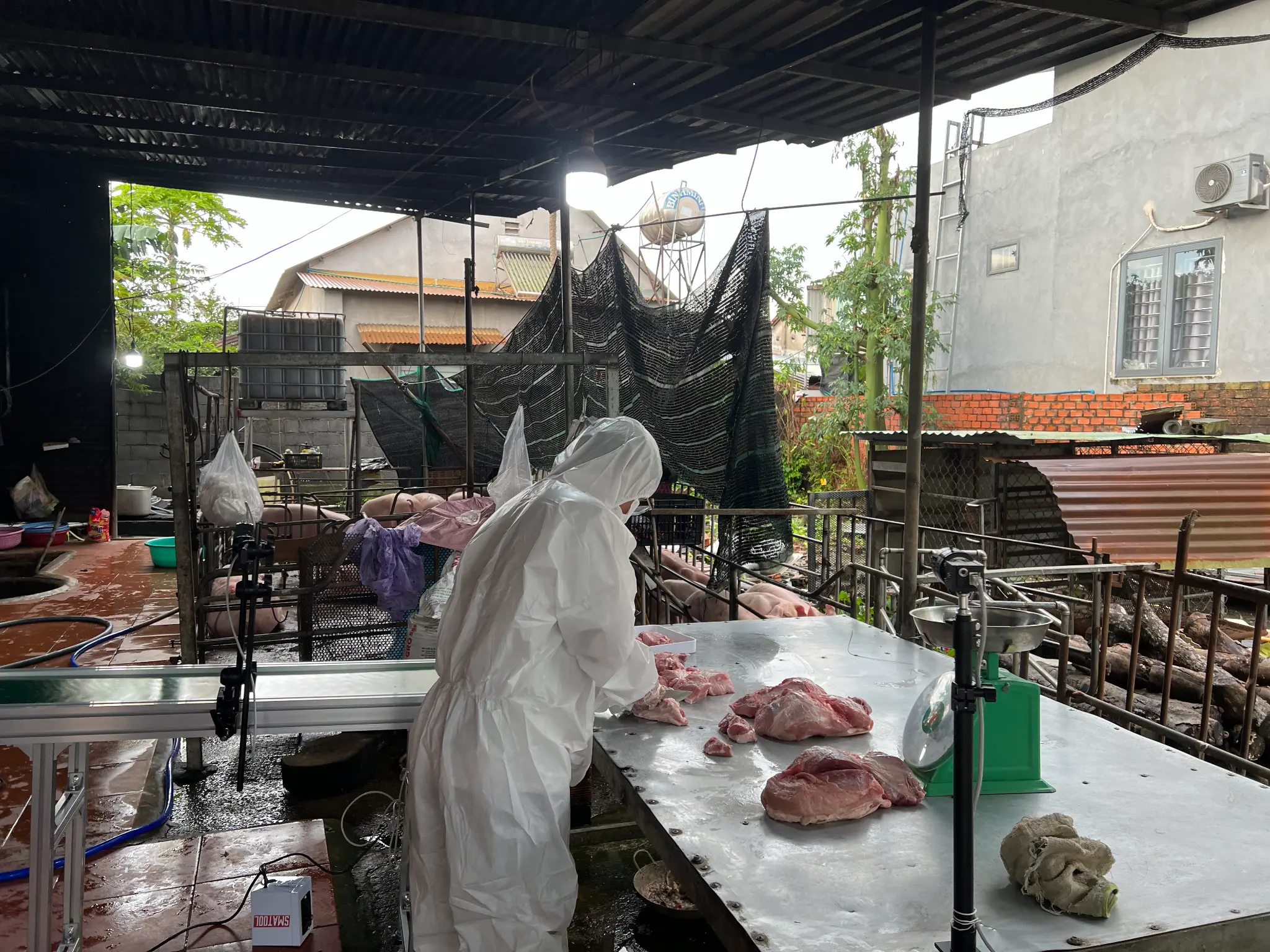
The true game-changer for the consumer, however, is how Trackfarm uses this data to establish end-to-end transparency. Once a pig is ready for processing, its entire life history—from birth date and vaccination records to daily feed intake and environmental conditions—is securely logged and linked to the final product.
This is achieved through a secure, immutable ledger, similar to blockchain technology. When a consumer scans a QR code on a package of pork, they don’t just see the name of the farm; they can access a curated, verifiable timeline of the animal’s life. This level of detail is a powerful antidote to consumer skepticism.
What a Consumer Can See:
| Data Point | Traditional System | Trackfarm System | Consumer Trust Impact |
|---|---|---|---|
| Farm Origin | Name and location (often vague) | GPS-verified farm location and specific barn ID | High: Confirms local/ethical sourcing. |
| Animal Welfare | General certification label | Daily activity logs, environmental conditions, health reports | Very High: Verifiable proof of good husbandry. |
| Antibiotic Use | “Antibiotic-free” claim (hard to verify) | Specific dates and reasons for any veterinary intervention | Very High: Builds confidence in health claims. |
| Processing Date | Date on package | Time-stamped record of processing and packaging | High: Ensures freshness and supply chain integrity. |
This table illustrates the stark difference between the old model of trust, which relied on brand reputation and certification, and the new model, which is built on verifiable, immutable data.
Beyond the Farm Gate: Impact on the Global Supply Chain
The benefits of Trackfarm extend far beyond the individual farm. By standardizing data collection and integrating it into a transparent ledger, the solution addresses some of the most pressing issues facing the global food supply chain:
1. Food Safety and Recall Efficiency
In the event of a food safety issue, traditional traceability systems can take days or even weeks to pinpoint the source, leading to massive, costly, and often unnecessary product recalls. Trackfarm’s system allows for instantaneous, surgical recalls. Because every product is linked to a specific animal, pen, and time, contaminated batches can be isolated and removed from the market in hours, minimizing public risk and economic damage.
2. Sustainability and Environmental Accountability
Trackfarm provides the data necessary for true environmental accountability. By tracking feed conversion ratios, energy consumption per animal, and waste output, the system allows farmers to identify and implement sustainable practices. This data can then be shared with regulatory bodies and consumers, transforming sustainability claims from marketing slogans into measurable, verifiable facts.
3. Economic Resilience for Farmers
The transparency provided by Trackfarm is a premium value proposition. Farmers who adopt the system can command higher prices for their products, as they offer a level of quality and verifiable trust that competitors cannot match. This economic resilience is crucial for the long-term viability of small and medium-sized farms in an increasingly competitive global market.
The Technology Under the Hood: AI and IoT Synergy
The technological backbone of Trackfarm is a sophisticated blend of hardware and software:
- IoT Sensors: Rugged, low-power sensors deployed throughout the facility monitor everything from ammonia levels to water consumption. These devices are designed to withstand the harsh environment of a livestock barn.
- Edge Computing: Data is processed locally at the farm level using edge computing devices. This reduces latency, ensures data privacy, and allows for immediate, automated responses (e.g., adjusting ventilation) without relying on a constant cloud connection.
- Machine Learning Models: Trackfarm’s AI models are trained on millions of data points to recognize subtle anomalies. For instance, a slight change in a pig’s gait or a minor drop in its feeding time can be flagged as a potential health issue days before a human observer would notice. This predictive maintenance for animal health is a major breakthrough.
- Secure Cloud Infrastructure: The verified, aggregated data is stored in a secure cloud environment, providing a single source of truth for all stakeholders—from the farmer to the food safety inspector.
Case Study: The Trackfarm Pilot Program
In a recent pilot program conducted across three large-scale pig farms in the Midwest, Trackfarm demonstrated remarkable results over a six-month period:
- Antibiotic Reduction: A 42% reduction in the use of prophylactic antibiotics due to early disease detection and targeted treatment.
- Feed Efficiency: A 7% improvement in the feed conversion ratio (FCR), translating to significant cost savings and a lower environmental footprint.
- Consumer Engagement: Products labeled with the Trackfarm transparency code saw a 25% increase in sales volume in participating retail outlets, indicating a strong consumer preference for verifiable transparency.
The success of the pilot program confirms that Trackfarm is not just a technological upgrade; it is a market differentiator.
The Future of Food: Trust as the Ultimate Commodity
The food industry is at an inflection point. The old ways of farming and distribution are no longer sufficient to meet the demands of a global population that is both growing and increasingly discerning. The future belongs to systems that can guarantee not just quantity, but quality, welfare, and verifiable origin.
Trackfarm is leading this charge. By harnessing the power of data and making transparency a core feature of the food supply chain, it is empowering farmers to be better stewards of their animals and the environment, while giving consumers the peace of mind they deserve.
The era of opaque food sourcing is ending. The new era, defined by verifiable truth and mutual trust, has arrived, and its name is Trackfarm.
This article is a promotional feature on the advancements in smart agriculture and food supply chain transparency.